





In the rugged landscapes of Brownsville, Texas, where off-road adventures and demanding work conditions are the norm, a comprehensive fleet truck repair manual is an indispensable tool for keeping vehicles in top shape. This guide is tailored to cater to the unique needs of vehicle owners and maintenance teams in this dynamic city, ensuring that each truck is ready to tackle any challenge on or off the road. Get ready to explore the intricacies of off-road vehicle repair with our detailed Brownsville Tx fleet truck repair manual.
Understanding Off-Road Vehicle Repair: A Specialized Skillset
The Demanding Nature of Off-Road Driving
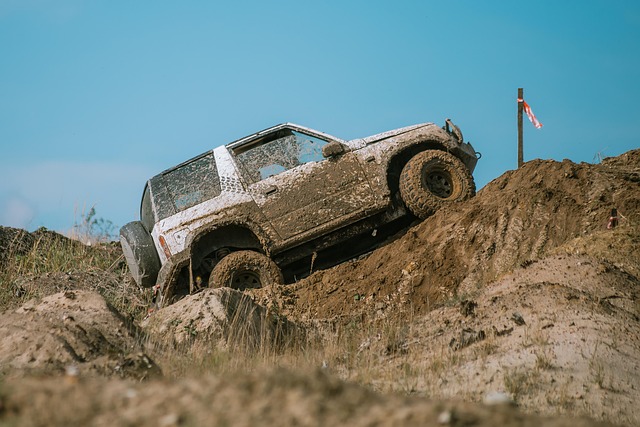
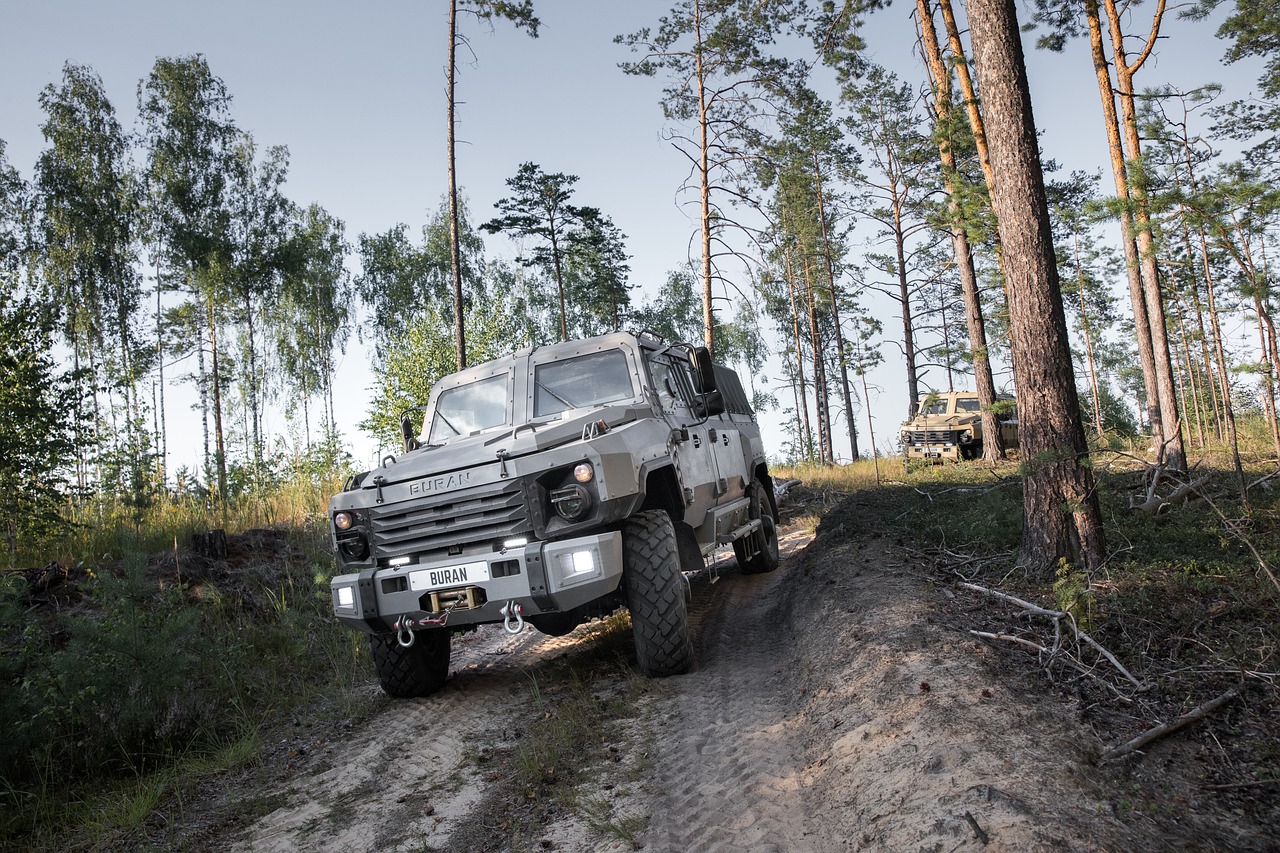
Off-road vehicles in Brownsville, whether for construction, agriculture, or recreational use, face distinct challenges that differ from their on-road counterparts. These include navigating uneven terrain, extreme weather conditions, and frequent exposure to harsh elements like dust, sand, and mud. Regular maintenance and specialized repair techniques are crucial to ensure these vehicles remain reliable under the most demanding circumstances.
Key Considerations for Off-Road Truck Repair
Durability and Reliability
Off-road trucks require robust components capable of withstanding extreme stress. Regular inspection and replacement of critical parts, such as suspension systems, tires, and drivetrains, are essential to maintain performance and safety.
Adaptability to Terrain
The ability to adapt to varying terrain is vital. This involves tuning and calibrating the vehicle’s settings, including ground clearance, angle of approach, and departure, to navigate challenging landscapes effectively.
Efficient Fuel Consumption
In areas like Brownsville, where fuel costs can be a significant concern, off-road vehicles should be optimized for fuel efficiency without compromising performance. Regular engine tuning and efficient tire selection play a critical role in achieving this balance.
The Essential Steps of Off-Road Truck Repair in Brownsville Tx
1. Pre-Trip Inspection: Preventive Maintenance
Before setting out on any off-road expedition, conduct a thorough pre-trip inspection to identify potential issues and ensure the vehicle’s readiness. This includes:
- Tire Condition: Check for tread wear, sidewall damage, or signs of underinflation. Replace or repair tires as needed to maintain traction and stability.
- Fluid Levels: Verify engine oil, coolant, brake fluid, and transmission fluid levels. Top up or replace fluids to prevent overheating and mechanical failures.
- Exhaust System: Inspect for leaks, corrosion, or damage, ensuring proper exhaust flow to optimize engine performance.
- Lights and Signals: Test all exterior lights, indicators, and signaling devices for functionality, ensuring maximum visibility on the road.
2. Engine Tuning and Performance Optimization
Off-road vehicles often require specific engine tuning to adapt to varying terrain and environmental conditions:
- Chip Tuning: Adjust the vehicle’s computer chip settings to optimize power delivery and fuel efficiency according to the terrain and load. This can improve performance significantly in challenging off-road scenarios.
- Engine Cooling: Ensure adequate cooling systems, including radiators, fans, and thermostats, to prevent overheating during prolonged use or in hot climates like Brownsville.
- Air Intake and Filter: Regularly clean or replace air filters to maintain optimal airflow, ensuring efficient combustion and power delivery.
3. Suspension and Drivetrain Maintenance
The suspension and drivetrain are critical for off-road performance and safety:
- Shock Absorbers and Springs: Inspect and service shock absorbers and springs regularly. Worn or damaged components can affect handling, stability, and passenger comfort.
- Differential Service: Regularly service differentials to ensure proper lubrication and function. This is essential for maintaining torque transfer and traction in challenging off-road conditions.
- Axle and Gear Ratio Check: Verify gear ratios and axle configurations to match the vehicle’s performance to the terrain. Adjustments can improve climbing ability, descent control, and overall efficiency.
4. Bodywork and Exterior Repairs
Off-road vehicles often sustain damage from rough terrain:
- Panel Repair: Fix or replace damaged body panels, fenders, and bumpers to maintain structural integrity and protect sensitive components beneath.
- Rust Prevention: Implement rust prevention measures, especially in areas prone to moisture, to avoid corrosion that can weaken the vehicle’s structure.
- Paint Protection: Apply protective coatings to exposed metal surfaces to shield them from environmental factors, enhancing durability and aesthetics.
Common Issues and Troubleshooting Tips for Off-Road Trucks in Brownsville Tx
What should I do if my off-road truck gets stuck in mud?
If your truck becomes stuck in mud, stay calm and avoid aggressive maneuvers that could damage the vehicle or tire. Try to gain traction by slowly backing up or driving forward in a straight line. If necessary, utilize winches or recovery equipment from nearby services designed for such situations.
How can I extend the life of my off-road truck’s tires?
Regular tire maintenance is key to extending their lifespan. Keep tires properly inflated at the recommended PSI, avoid sharp turns and potholes, and conduct frequent visual inspections for wear and damage. Rotating tires periodically and using all-terrain or mud-terrain tires suitable for Brownsville’s conditions can also significantly enhance tire life.
What are some signs that my off-road truck needs a new engine?
If your truck exhibits persistent performance issues like rough idling, loss of power, excessive smoke, or unusual noises from the engine, it may signal engine problems. Regularly check for oil leaks, high fuel consumption, and temperature fluctuations. If these issues persist, consult a qualified mechanic to diagnose and recommend suitable repairs or engine replacement.
Frequently Asked Questions (FAQs)
Q: How often should I perform a thorough off-road vehicle inspection?
A: It is recommended to conduct a comprehensive inspection at least once monthly, or more frequently if your vehicle sees heavy use or operates in demanding environments. This helps identify potential issues early, ensuring optimal performance and safety.
Q: What tools are essential for basic off-road truck repairs?
A: Essential tools include a jack, wheel chocks, wrench sets, socket kits, a tire iron, a hydraulic lift (for underbody work), and a set of screwdrivers. Always keep these tools well-maintained and readily accessible.
Q: Can I perform major engine repairs myself, or is professional help necessary?
A: While some basic engine maintenance tasks, like oil changes and filter replacements, can be done by enthusiasts, complex repairs such as timing belt replacements, head gaskets, or extensive mechanical work are best left to qualified mechanics with specialized knowledge and tools.
Q: How do I know if my off-road truck’s suspension needs adjustment?
A: Watch for signs like uneven tire wear, excessive body roll during cornering, or a bumpy ride. These indicators suggest that your suspension may need fine-tuning or repair to ensure optimal performance and passenger comfort. Consult a professional mechanic for accurate diagnosis and adjustments.
Q: Are there specific safety precautions I should follow while repairing my off-road truck?
A: Absolutely! Always wear appropriate personal protective equipment (PPE), including gloves, safety glasses, and ear protection. Ensure proper ventilation when working with fuels or chemicals. Never work alone under a raised vehicle, and use jack stands securely to prevent accidents.
Conclusion: Keeping Your Off-Road Fleet in Top Condition
Brownsville Tx fleet truck repair manual is not just a document; it’s a comprehensive guide to ensuring your off-road vehicles remain reliable, efficient, and safe. By following the detailed steps and techniques outlined here, you’ll be well-equipped to handle regular maintenance and minor repairs, minimizing downtime and maximizing productivity for your fleet.
Remember, off-road vehicles demand respect and specialized care. With proper knowledge, tools, and a proactive approach to maintenance, you can conquer any terrain while keeping your fleet in top shape. Stay prepared, stay safe, and keep exploring the vast possibilities beyond the road with confidence!